Choosing The Right Waterproofing Solution For Your Roof
Waterproofing your roof isn’t just about avoiding leaks. It’s about protecting your whole property—inside and out—from water damage, mould, and structural issues. However, with so many options available, how do you know which system actually suits your roof? That’s where understanding your options matters.
From liquid membranes to full-sheet systems and coatings, each waterproofing solution comes with specific benefits—and risks if it’s used incorrectly. Add in factors like the Hervey Bay climate or the unique roof shapes found across the Fraser Coast, and you’ve got plenty to weigh up.
Let’s walk through how to choose the right waterproofing solution for your roof, and why the right decision today can save you thousands in repairs tomorrow.
Understanding the major roof waterproofing types
Not all waterproofing systems are the same. Some are seamless liquids, others are rolled-out membranes, and a few are coatings applied over existing surfaces. Here are the most common systems:
- Liquid-applied membranes are typically applied with a roller, brush, or spray, creating a continuous, waterproof layer that conforms to the roof’s shape and penetrations.
- Sheet membranes: Pre-formed layers—like PVC or bituminous rolls—installed and joined on-site. They offer strong resistance to water but depend heavily on correct seam sealing.
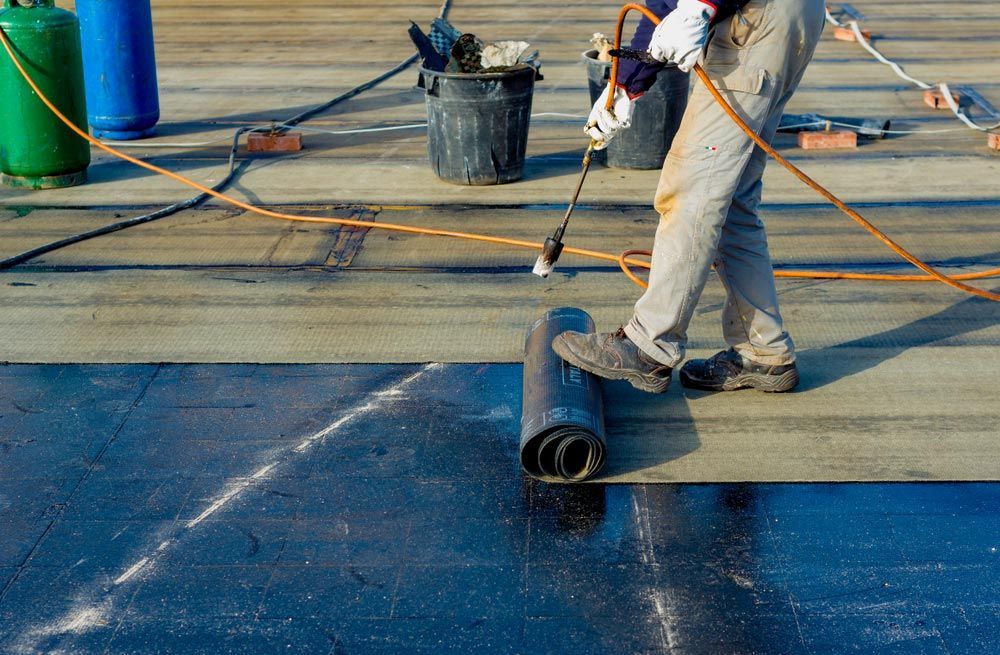
- Torch-on systems: Often used for flat roofs, this involves heating bituminous rolls to create an adhered, sealed surface.
- Coatings: These paint-on waterproof treatments are mostly used for minor waterproofing or refreshing existing membranes.
Matching the waterproofing type to your roof substrate
Your roof’s construction—whether it’s concrete, metal, tile or timber—dictates what kind of waterproofing will perform well and stay effective over time.
- Concrete roofs: Often flat or low-slope, these can be prone to ponding water. Liquid or sheet membranes are typically used for their durability and coverage.
- Metal roofs: Corrugated and clip-lock roofs expand and contract with changes in temperature. Liquid-applied systems are well-suited for this movement and can seal around fasteners.
- Tiled roofs: These rely more on underlay and flashing for waterproofing. A full membrane is rarely used unless it’s a remedial repair.
- Fibre-cement or lightweight panels: Flexing and movement require a membrane that can stretch without cracking.
Get this match wrong, and even the best product can fail at the seams or joints.
Considering climate & exposure when selecting a system
The Hervey Bay region, like much of the Fraser Coast, has unique challenges—salt air, high humidity, summer storms and strong UV exposure. Any roof waterproofing solution you choose must be built for this environment.
- Salt spray: Corrodes metal and breaks down some adhesives. Choose systems rated for coastal exposure.
- UV radiation: Harsh sun degrades some membranes quickly. Look for UV-resistant options.
- Heavy rain & ponding: On flat roofs, this can stress the membrane. Ponding-resistant products are essential.
- Storm activity & wind: Choose systems with proven performance under uplift conditions.
Pros & cons of liquid-applied waterproofing solutions
Liquid waterproofing membranes are a go-to choice for many installers, but they’re not always the right solution—especially without proper preparation.
Why they’re popular:
- Seamless finish with no laps or joins
- Adapts well to complex roof shapes and penetrations
- Fast application, minimal disruption
- Many options are highly flexible for movement-prone roofs
What to watch for:
- Surface prep is crucial—dirt, dust or moisture can ruin adhesion
- Curing time may leave it vulnerable if not weather-protected
- Not ideal for heavy-traffic areas without reinforcement
- Some systems require multi-coat applications for full waterproofing
When sheet or membrane systems (including torch-on) are more suitable
For larger flat roofs or commercial buildings, sheet membranes or torch-on systems can provide higher durability—if installed correctly.
Their strengths include:
- Consistent thickness and factory-controlled quality
- Excellent long-term UV and water resistance
- Proven in large-scale commercial or high-exposure roofs
- Suitable under ballast or green roof systems
Things to consider:
- Installation requires skilled labour, especially for torch-on types
- Seams and joints must be perfectly sealed
- May not suit roofs with lots of protrusions or irregular geometry
In coastal locations like Hervey Bay, a high-quality sheet system with proper flashing detailing can outperform many liquid-applied options.
Why roof coatings (paint-style treatments) are sometimes favoured
Coatings offer a quick fix in some cases—but they’re not a standalone solution for major waterproofing.
Where they’re useful:
- Rejuvenating worn membranes or sealants
- Minor remedial waterproofing on pitched metal roofs
- Improving solar reflectivity (cool roof effect)
Where they fall short:
- Not suitable for full waterproofing on flat or complex roofs
- Won’t cope with pooling water or substrate movement
- Limited lifespan if exposed to harsh UV or weather
Professional installation versus DIY: what you need to weigh up
Tempted to waterproof your roof yourself? Unless the job is small and low-risk, it might cost more in the long run.
DIY might work if:
- You’re recoating a simple surface, not doing structural work
- The product specifically supports DIY use and includes clear prep instructions
But here’s what can go wrong:
- Missed edge detailing, poor priming or product pooling can cause total failure
- Incorrect film thickness or curing times leave the roof exposed
- No access to warranties or installer guarantees
Professional roof waterproofing in Hervey Bay is not just about the application—it’s about identifying problem areas, preparing substrates, and documenting for warranty claims. Without that, you’re guessing.
Maintenance, warranties and long-term protection: making your investment count
A quality waterproofing system is an investment, but only if it is properly maintained. Neglect, poor detailing, or a lack of inspection will lead to failure, regardless of the product's quality.
What to build into your long-term plan:
- Routine inspections at least once a year—especially before and after storm season
- Keeping drains and overflows clear so ponding doesn’t occur
- Touch-up coatings or reapplication if the system shows signs of UV fatigue
- Warranty-backed products installed by approved applicators
- Regular photos and maintenance records to validate the warranty
Need Roof Waterproofing in Hervey Bay? Let’s Talk
At Fraser Coast Waterproofing, we offer comprehensive waterproofing solutions in Fraser Coast, ranging from new installations to remedial membrane work. Whether you have a tiled patio, a metal workshop, or a large flat commercial roof, we’ll recommend a system that suits your property, climate, and budget.
Contact us via our contact page or call us to schedule a consultation. Let us help you protect your property with the right waterproofing solution that lasts.