What Happens When Waterproofing Is Skipped During Renovations
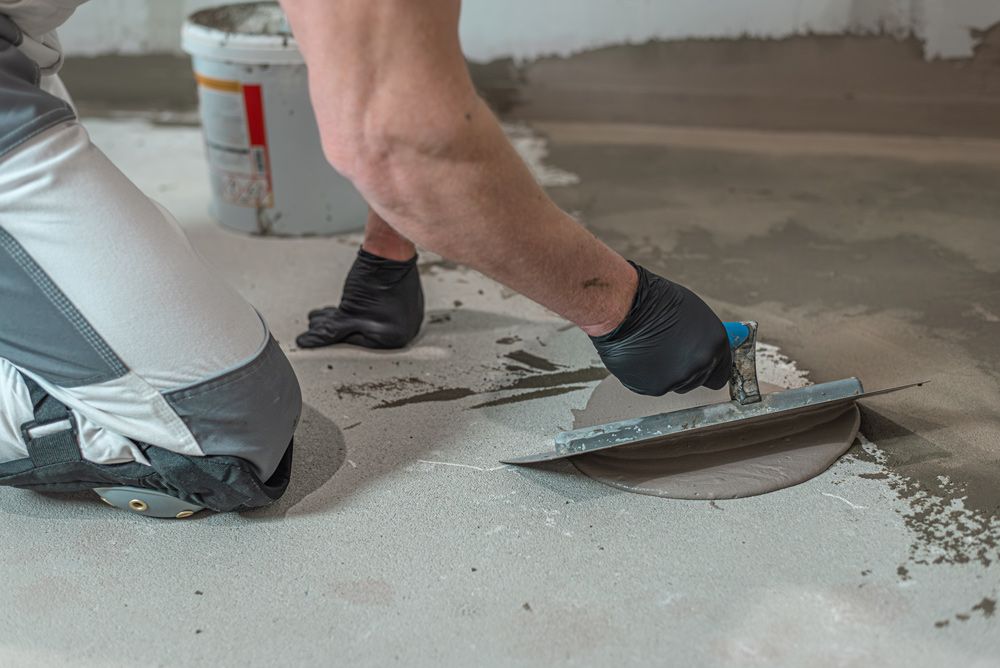
Renovating a home is exciting. New finishes, improved layouts and modern features can completely change how a space looks and feels. But behind the tiles and fixtures, there’s one step that often gets overlooked or rushed, waterproofing. Skipping waterproofing during renovations can lead to serious problems that don’t always show up straight away. In coastal areas like Hervey Bay, moisture, humidity and salt air only increase the risks.
Understanding what happens when waterproofing is missed can help renovators avoid costly repairs, insurance disputes and long-term damage to their property.
Why Waterproofing Matters More Than People Think
Waterproofing is a protective barrier designed to stop moisture from penetrating areas that are regularly exposed to water. This includes bathrooms, laundries, kitchens and balconies.
When waterproofing is done correctly, it:
- Protects structural elements from water damage.
- Prevents moisture from spreading into walls and floors.
- Supports the longevity of tiles, grout and finishes.
When it’s skipped or done poorly, moisture has free access to places it shouldn’t be.
Common Reasons Waterproofing Gets Skipped
Waterproofing is often hidden behind finished surfaces, which makes it easy to underestimate its importance.
It is commonly skipped because:
- Renovators want to reduce costs.
- Timelines are rushed to meet deadlines.
- DIY projects overlook compliance requirements.
Unfortunately, the money saved upfront often leads to much higher costs later.
Early Warning Signs Are Easy to Miss
One of the biggest issues with skipped waterproofing is that damage develops slowly. Problems may not be visible until significant harm has already occurred.
Early signs can include:
- Persistent damp smells.
- Minor bubbling or lifting tiles.
- Discolouration along walls or floors.
These signs are often dismissed, allowing moisture to continue spreading unnoticed.
Long-Term Structural Damage
Without proper waterproofing, water seeps into building materials that are not designed to stay wet.
Over time, this can lead to:
- Timber rot in wall frames and floors.
- Corrosion of metal components.
- Weakening of concrete substrates.
Once structural elements are affected, repairs become far more invasive and expensive.
Mould Growth & Health Concerns
Moist environments are ideal for mould growth. Skipped waterproofing allows moisture to remain trapped behind tiles and walls, creating perfect conditions for mould.
This can result in:
- Mould spreading through wall cavities.
- Poor indoor air quality.
- Potential health concerns for occupants.
In humid climates like Hervey Bay, mould issues can escalate quickly if moisture is not properly controlled.
Tile & Grout Failure
Tiles and grout are not waterproof on their own. Without a membrane beneath them, water passes through easily.
Common issues include:
- Cracked or loose tiles.
- Grout deterioration.
- Water pooling beneath tiled surfaces.
Once this happens, surface repairs rarely solve the problem. The underlying waterproofing failure must be addressed.
Insurance Complications
One of the most serious consequences of skipped waterproofing is insurance disputes.
Many insurers may:
- Deny claims related to water damage.
- Request proof of compliant waterproofing.
- Exclude damage caused by poor workmanship.
If waterproofing was skipped or not done to standard, homeowners may be left covering the full cost of repairs themselves.
Reduced Property Value & Resale Issues
Poor waterproofing doesn’t just affect the current homeowner. It can also impact future resale.
During inspections, issues such as moisture damage, visible mould and evidence of past leaks can raise red flags for buyers and inspectors. This may lead to reduced offers, delayed sales or requests for costly repairs before settlement.
Can Waterproofing Be Skipped Legally?
In most renovation scenarios, waterproofing is not optional.
Waterproofing must:
- Comply with Australian Standards.
- Be installed in designated wet areas.
- Meet local building and compliance requirements.
Skipping waterproofing can result in non-compliant work, which may cause issues during inspections, insurance claims and property sales.
What Damage Can Occur Later?
Damage from skipped waterproofing often appears months or even years after renovations are completed.
Long-term damage can include:
- Structural repairs behind finished walls.
- Complete removal and replacement of tiles.
- Extensive mould remediation.
At this stage, repairs are disruptive and significantly more expensive than doing waterproofing correctly from the start.
Can Waterproofing Be Added After Tiling?
This is a common question, and unfortunately, the answer is rarely simple.
In most cases:
- Waterproofing cannot be properly added over existing tiles.
- Tiles must be removed to install a compliant membrane.
- Partial fixes often fail to address the root issue.
This means skipped waterproofing usually leads to redoing work, not patching it.
Why Coastal Homes Face Higher Risks
Hervey Bay homes are exposed to higher humidity and moisture levels than inland properties.
Local factors include:
- Salt air increasing material corrosion.
- High humidity prolonging moisture exposure.
- Seasonal weather patterns affecting drying times.
This makes proper waterproofing in Hervey Bay even more critical during renovations.
Waterproofing as a Long-Term Investment
While waterproofing may seem like a hidden cost, it is one of the most important investments in a renovation.
Proper waterproofing:
- Protects structural integrity.
- Reduces maintenance costs.
- Supports insurance and resale value.
Skipping it often leads to regret, repairs and unnecessary stress.
Protect Your Renovation From the Start
Renovations should improve your home, not create hidden problems that surface later. Waterproofing is a critical step that protects everything built on top of it. Addressing waterproofing properly during renovations helps ensure your home remains safe, durable and valuable for years to come.
Speak With Local Waterproofing Experts in Hervey Bay
If you’re planning a renovation or concerned about past work, professional waterproofing in Hervey Bay can help protect your property. Fraser Coast Waterproofing specialises in compliant waterproofing solutions tailored to local conditions. Their team understands how moisture, humidity and coastal environments affect homes and can ensure waterproofing is done correctly from the start.
To learn more or request an assessment, visit the waterproofing contractor page or contact Fraser Coast Waterproofing for expert advice and reliable solutions in Hervey Bay.